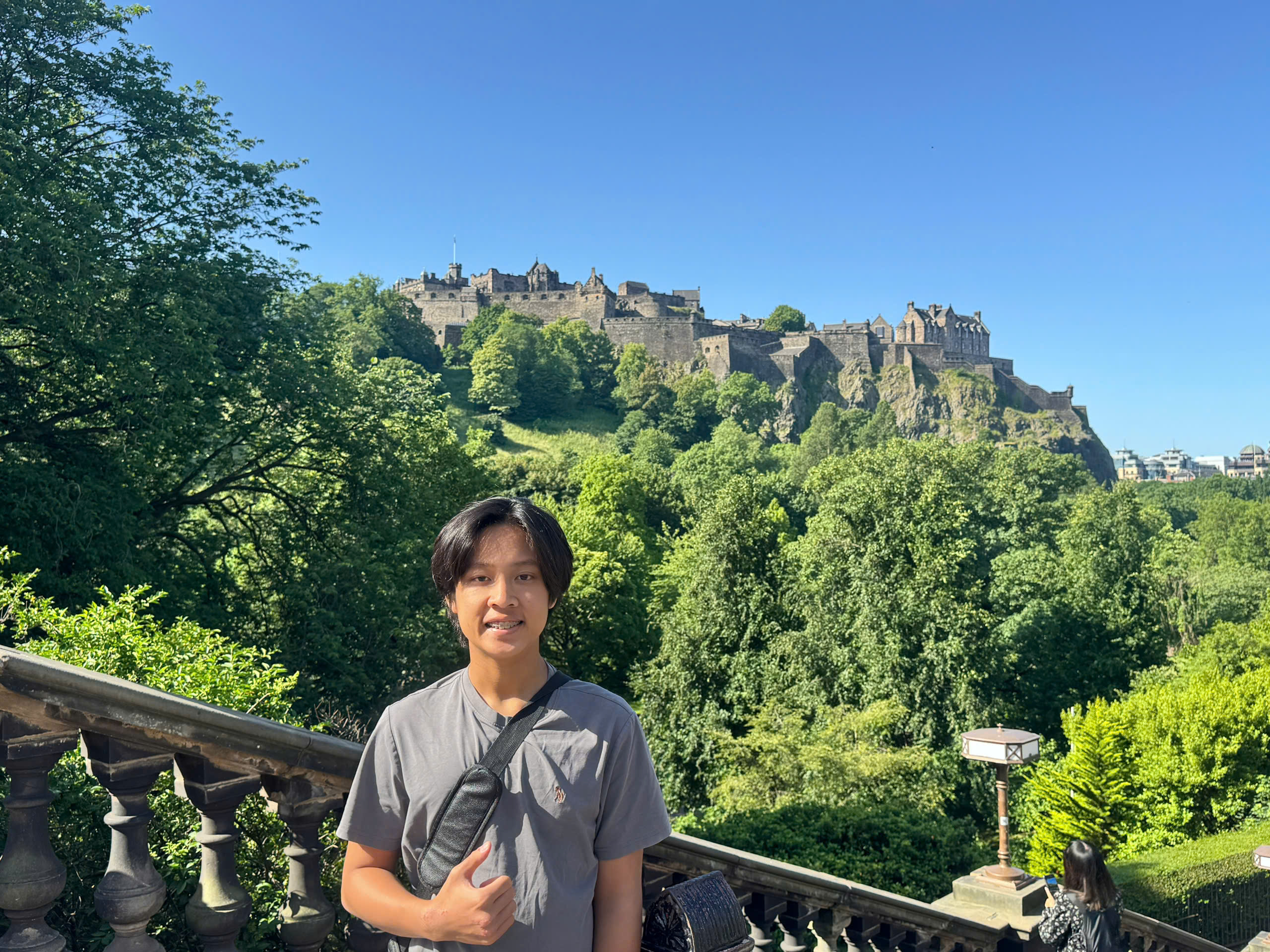
In my opinion, Ly Son Cross Island is not a race that can be easily conquered. The 2026 race marked my third year participating in this event. In the previous two years, I completed a 2 km distance and finished in 58 minutes and 53 minutes, respectively. Although I have swum in this region twice already, stepping up to the 5km race filled me with doubts. From the strong ocean currents to the challenge of swimming from one island to another, I had come up with countless reasons why I might not be able to finish the race. About 2 weeks before travelling to Ly Son, questions kept running through my mind: ‘Would I really be able to finish this race? Could the currents carry me off course? Is swimming between two islands that scary?’ Part of that uneasiness also came from the fact that I was used to training in swimming pools, where natural conditions such as ocean currents had never been something I needed to deal with. Finally, standing at the starting line alongside hundreds of other participants, I thought about the three months of effort I had poured into my training.
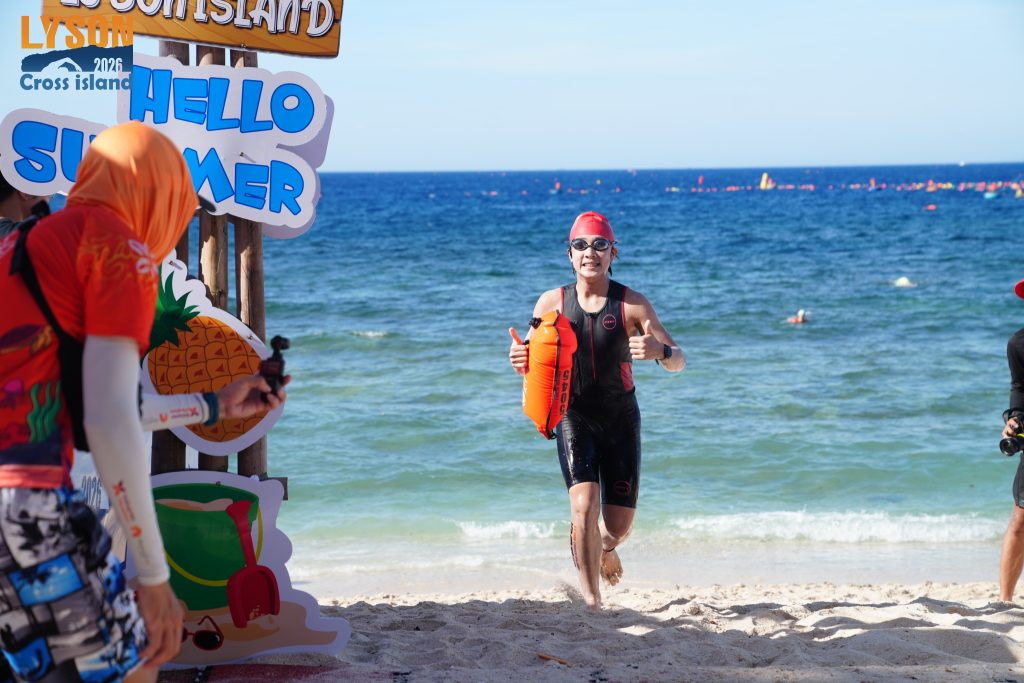
The starting horn sounded. The first few moments were chaotic. People were kicking hard and trying to get ahead of everyone. As I tried to move toward the front of the pack, a feeling of hesitation suddenly brought me down. However, those thoughts started to disperse as I persevered through those challenges.
The hardest challenge was navigating the course. Not only had one of the marker buoys drifted out of position, but the current was also stronger than in previous years, pulling every swimmer to the left. I was frightened at that moment; unlike the 2km distance where I could follow the markers with ease, I could not find any markers this time. Luckily, the organizer had let out a hint that I could use the antenna as a marker to navigate. Just when I thought everything could go smoothly, more challenges came. The only participant whom I had held onto since the start of the race started swimming diagonally, leaving me alone in the middle of the ocean. The bottle of water that my dad had prepared for me was already gone. The already challenging race was now even more demanding. However, I motivated myself with the image of getting the medal and focused on my main goal. In the end, I finished the race with a time of 1:40:57, placing 32nd overall. This is not the best time that I think I could have gotten, but enough to make me proud of my effort in training. Compared with last season, I stepped out of my comfort zone by conquering the 5 km distance and improving my speed and technique.
Training to get there was not easy either. Every week, I have two swimming sessions, each ranging from 1 hour and 30 minutes to 2 hours. Every training day began at five o’clock in the morning. There were times when I felt exhausted because I had to rush to class when my hair was not even dry yet, and my body was fatigued. However, just imagining other athletes who have stood on the podium and seeing myself also standing in that position drove me to train even harder. I also wanted to prove to myself that all the effort I had invested would lead to measurable improvement. Every session, however difficult, was a step toward that.
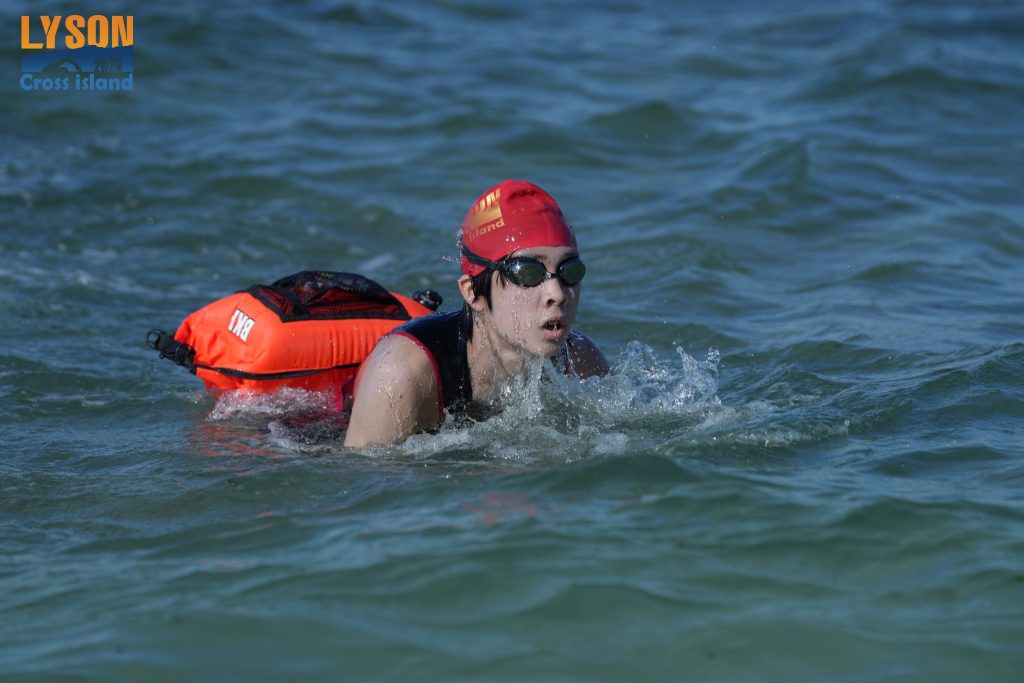
One lesson I took away from this race is the importance of staying committed to your goal even when the path shifts. When swimming across the ocean to get to the other island, there were times when I couldn’t find the markers to guide my way. That only made me more anxious and discouraged into thinking if I could finish the race or not. However, in the midst of confusion like that, I had to constantly remind myself that I had to do whatever it takes to finish the race and not give up. Not only in swimming, but I believe that this can be applied to everyday life. Everyone should stick to the goal that they have set. Even if there are challenges along the way or uncertainty about the final result, we should remain resilient and keep fighting for that goal.
The second lesson is about adapting to uncontrollable conditions. Unlike a swimming pool, the ocean is filled with unknown challenges. From high waves to deep ocean currents, participants can easily give up if they are unable to overcome these challenges. When encountering currents, I typically swim diagonally so that they would carry me back onto the correct course. If a wave suddenly came over me, I typically hold my breath and wait for that wave to be over so I can go up and breathe again. By overcoming these challenges, I was able to finish the race by myself. Honestly, that is also one of the reasons why I like open water swimming more than swimming in a pool. The feeling of facing unpredictable challenges and forcing myself to find a way to maneuver through these challenges is very interesting and challenging, something that I will never have when swimming in a pool.
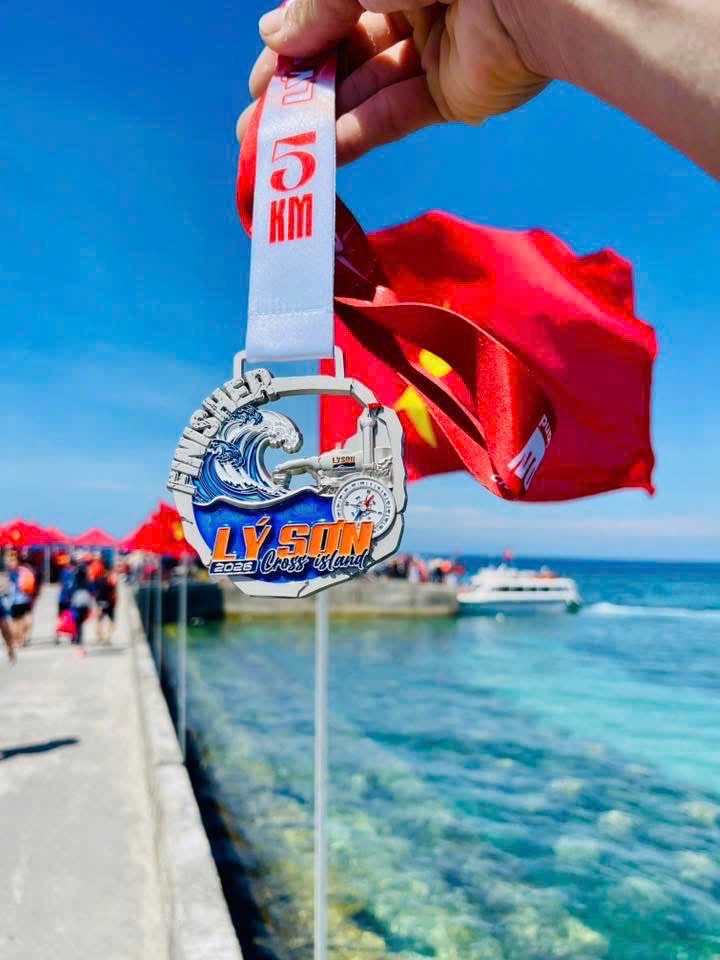
Ly Son Cross Island remains one of my favorite races, not only for the challenge of swimming between two islands but also for the supportive environment created by the organizers. First of all, I would like to thank the organizing committee for hosting such a wonderful event. I am grateful to my parents for encouraging me, driving me to countless training sessions, and giving me opportunities to participate in open water competitions. I would also like to thank my coach, Ms. Trang from T-Swim, for her amazing guidance, encouragement, and support throughout my journey. Lastly, thank you to Mr. Tri for capturing so many wonderful photographs, allowing me to relive the unforgettable memories of this experience.
is experience.